Building a Referral Network for a New TMS Service
TL;DR
Practice-development guide for building a physician referral pipeline for a new TMS program — where patients come from, who to court as referral partners, and how to keep the pipeline healthy.
Table of Contents
- Where do TMS patients come from?
- Who should be in your referral network?
- How do you build the network?
- What about patients who find you directly?
- How do you keep the network healthy?
A TMS program needs a steady supply of candidates to stay full, and once you have screened your own patient panel, the durable source of new patients is referrals from other clinicians. Most prescribers treat depression but do not offer TMS themselves, which makes them natural referral partners — if they know your program exists, trust it, and find it easy to send a patient. This guide covers how to build that network from a standing start.
Where do TMS patients come from?
New TMS programs draw patients from three pools, in roughly this order of speed. The fastest is your existing panel: patients already in your practice with treatment-resistant depression who have cycled through medications are candidates today, and screening your own charts is the quickest way to fill early slots. The second is referring clinicians: psychiatrists, primary-care physicians, therapists, and nurse practitioners who see patients that medication has not helped and need somewhere to send them. The third is direct patient inquiry from people who found you through search or your website. A referral network is the engine that keeps the program full after the initial panel is worked through.
Who should be in your referral network?
The best referral partners are clinicians who treat depression but do not deliver TMS. That includes primary-care physicians managing patients on antidepressants, therapists and psychologists whose clients have plateaued, psychiatric nurse practitioners, and general psychiatrists without a device of their own. These clinicians regularly reach the point where a patient has failed two or more medications, which is typically the threshold at which TMS is introduced. They are not competitors; they are the front line that identifies your candidates.
How do you actually build the network?
Referrals follow trust and convenience but three things drive them.
- Make the clinical case clearly. Referring clinicians send patients when they understand what TMS does, who it is for, and what outcomes to expect. Give them a concise, credible explanation of the treatment, the conditions it is cleared for, and the profile of a good candidate. Educational content that a busy clinician can read in two minutes does more than a sales pitch. Pointing partners to plain-language resources lets them self-educate and recognize candidates in their own panels.
- Make referring effortless. Every point of friction costs referrals. A clinician should be able to send a patient in one step, know that the patient will be seen promptly, and receive a note back on what happened. Close the loop: tell the referring clinician when their patient starts and how they respond. Nothing builds a referral relationship faster than a partner seeing that the patients they sent got better and that they were kept informed.
- Show up in the clinical community. TMS is spread as much by peer credibility as by marketing. Presenting at local clinical meetings, joining grand-rounds and community forums where clinicians discuss treatment-resistant depression, and being known as the practice that runs a serious TMS program all generate referrals over time. Real-world results shared clinician-to-clinician carry more weight than any brochure.
What about patients who find you directly?
A share of your patients will find you before any clinician refers them, searching for TMS after antidepressants failed, or after a loved one suggested it. That makes your web presence part of your referral strategy. Clear, question-driven content that answers what patients actually ask (what TMS costs, whether insurance covers it, what a session feels like, how it compares to ketamine or ECT) helps those patients find and choose your program, and doubles as the material your referring clinicians hand to patients.
How do you keep the network healthy?
A referral network is a relationship, not a launch event. The programs that stay full treat referring clinicians as ongoing partners: prompt communication, reliable follow-up, and periodic touchpoints that keep the program top of mind. When a partner's referred patient responds well, that success (communicated back) is what generates the next referral. Track where your patients come from so you know which relationships to invest in, and revisit quiet partners before the pipeline runs dry.
Frequently Asked Questions
Where do TMS clinics get most of their patients? From three sources: their own existing panel of treatment-resistant patients, referrals from other clinicians who treat depression but do not offer TMS, and direct inquiries from patients who find them online. Referrals are the durable engine once the initial panel is worked through.
Which clinicians make the best TMS referral partners? Primary-care physicians, therapists, psychiatric nurse practitioners, and general psychiatrists without their own device — anyone who regularly sees patients that medication has not helped.
How do I get clinicians to refer to my TMS program? Make the clinical case clearly, make referring effortless, close the loop by reporting outcomes back, and build peer credibility through clinical-community engagement. Convenience and trust drive referrals more than advertising.
Does my website matter for referrals? Yes. Patients who find you directly through search become patients, and the same clear, question-driven content is what your referring clinicians hand to patients they send your way.
This guide is for marketing and practice-development purposes. Follow applicable rules on patient privacy and clinician communication, including any anti-kickback and referral regulations that apply to your setting.

Meet the TMS system built for what’s next
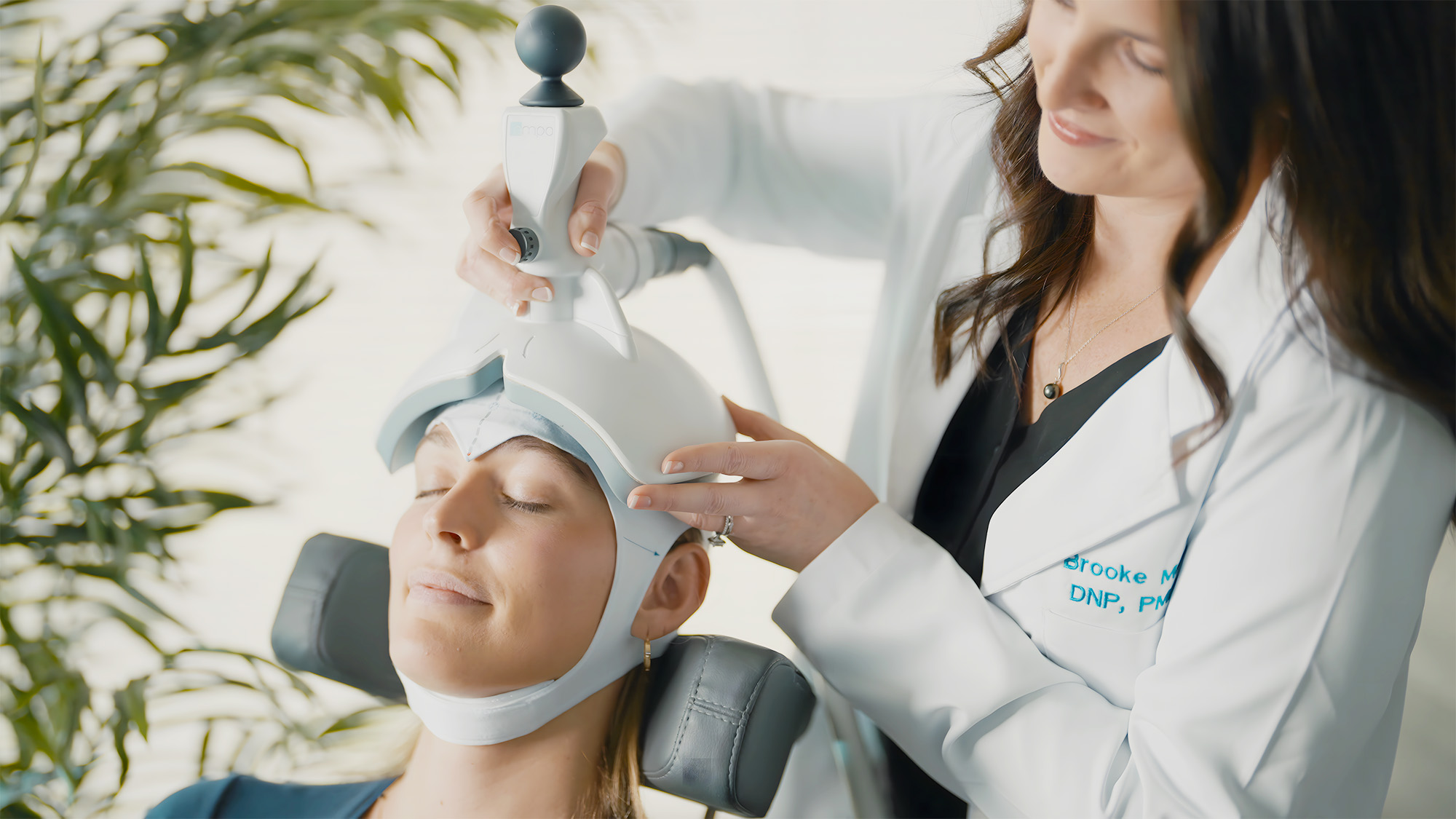
Ampa One brings accelerated protocols, precision neuronavigation, a compact footprint, and a flexible subscription model together in one streamlined TMS platform.

Where TMS Is Headed: Accelerated Protocols, Access, and the Next Decade
What to Expect During Your First TMS Session: The Mapping Process, Sensations, and What's Different About Day One