How to Prepare for Your First TMS Appointment: A Practical Checklist
TL;DR
Practical checklist for a first TMS visit — what to bring, what to wear, whether you need a ride, and how to plan around work.
Table of Contents
- What to bring to your first appointment
- What to wear to a TMS appointment
- Transportation
- Planning around work and other obligations
- First visit logistics
- Questions to ask before your visit
- First-appointment checklist at a glance
This guide covers logistics so your treatment day goes smoothly. For a description of what actually happens clinically during that first visit, including the mapping process used to calibrate treatment, see What to Expect During Your First TMS Session. What follows here is the practical checklist for getting ready beforehand.
What should I bring to my first appointment?
Bring a form of photo identification and your insurance card, since the clinic will need both to confirm your coverage and file any claims. Bring a current list of your medications, including dosages, since this information is often required for both clinical intake and insurance documentation. If you've had prior mental health treatment like medication trials, therapy, hospitalizations, or previous TMS elsewhere, it may be helpful to bring whatever records or summaries you have, or ask your prior provider to share records ahead of time. Insurers frequently require documentation of earlier treatment attempts before approving TMS, so having this on hand can prevent delays.
What should I wear to a TMS appointment?
Wear comfortable clothing since you'll be seated for the appointment. As a practical matter, it's worth avoiding large metal jewelry, hair clips, or headwear with metal components near the head, since these can interfere with coil placement and any camera-based positioning system the clinic uses. Many clinics also ask that you arrive with a clean head, free of heavy styling products, for similar practical reasons. If you're unsure what a specific clinic prefers, it's reasonable to call ahead and ask.
Do I need someone to drive me?
TMS does not involve sedation or anesthesia, so most patients are able to drive themselves to and from appointments. Some people choose to arrange a ride for their visit simply to feel more at ease while they get oriented to a new clinic and routine, but this is a matter of personal preference rather than a logistical requirement. Plan your schedule with some flexibility in case your first visit runs longer than expected since it includes an initial calibration step.
How should I plan around work or other obligations?
Ask the clinic in advance how long your first visit is expected to take, since initial appointments typically run longer than routine sessions later in a course. Because a standard course involves near-daily visits over several weeks, it's worth thinking ahead about how treatment will fit around your work schedule before you begin, not just for the first appointment. If you're considering an accelerated program that compresses the course into fewer days with multiple sessions per day, ask how much time to block off on each of those days.
What should I ask before I even schedule the first visit?
Before your appointment is on the calendar, it's worth confirming a few things with the clinic: what identification and paperwork to bring, how long to expect the visit to run, whether insurance verification needs to happen beforehand or can happen the same day, and what the clinic's policy is if you need to reschedule.
Frequently Asked Questions
Do I need to arrive fasting or avoid food before my first TMS appointment? There's no general logistical requirement to fast before a TMS visit. If a specific clinic asks for anything unusual, they'll typically tell you when you schedule.
Can I go straight back to work after my first appointment? Since there's no sedation involved, most patients return to work, school, or other normal activities right after, though it's sensible to allow extra time for the first visit specifically because it runs longer than later sessions.
Should I bring a list of side effects from past medications? It's reasonable to bring a general summary of past treatments and how you responded, since this kind of history is often part of intake documentation. Your clinic can tell you exactly what detail they need.
What if I forget my insurance card? Call the clinic ahead of time if you're missing anything; many clinics can look up basic policy information, though having your card on hand speeds things along.
Is it okay to bring a support person with me? Many clinics allow a support person in the waiting area or, depending on the clinic's policies, in the treatment room itself. Ask when you schedule if this matters to you.
How do I find a clinic before I even get to this stage? See How to Find a TMS Provider Near You for guidance on locating and comparing providers in your area.
This article covers general logistics and is not a substitute for personalized instructions from your treating clinic. Ask your specific clinic about any preparation steps unique to their program.

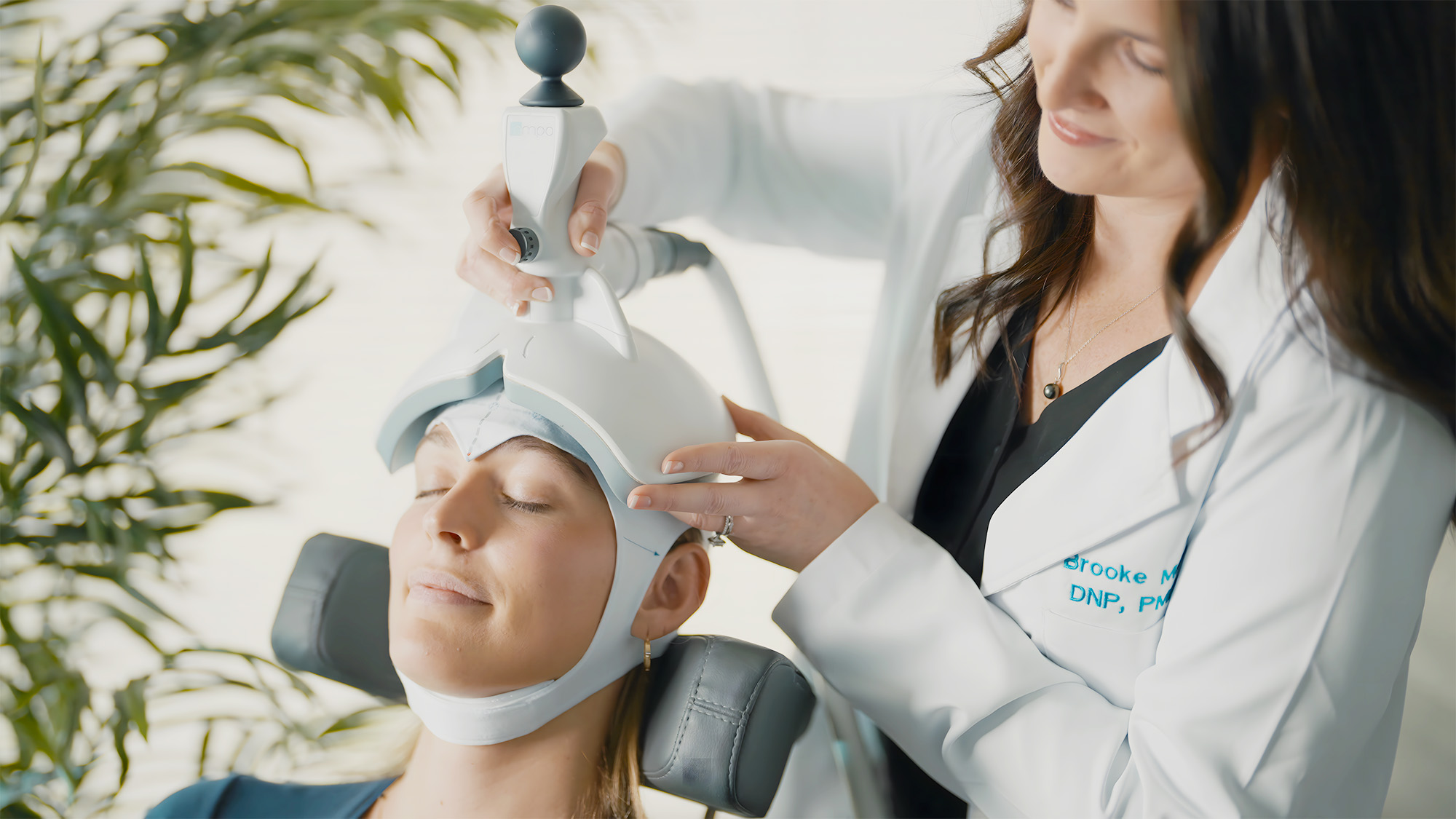
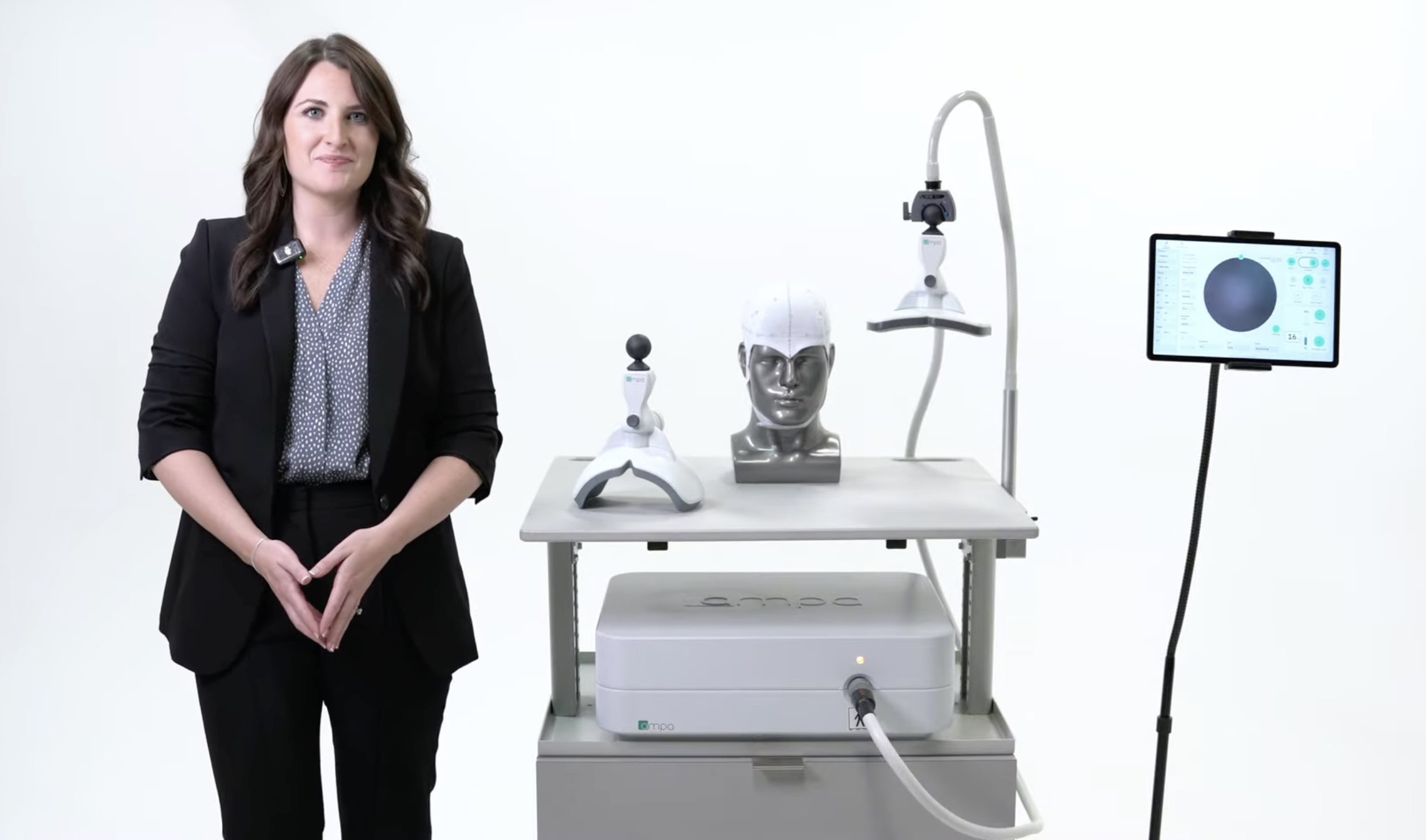
Meet the TMS system built for what’s next
Ampa One brings accelerated protocols, precision neuronavigation, a compact footprint, and a flexible subscription model together in one streamlined TMS platform.
Accelerated TMS as a Practice Differentiator

Can You Use an HSA or FSA for TMS Therapy?
