TMS Therapy Cost — A guide to Pricing, Insurance, and Financing

The cost of TMS therapy depends on a few factors more than any other, and coverage has broadened enough that most patients now have realistic paths to treatment.
Without insurance, a full TMS course typically runs from several thousand to over ten thousand dollars, because a course spans many sessions rather than a single visit. Coverage has expanded across Medicare, Medicaid, and major private insurers, though most plans require prior authorization and documented failure of earlier treatments. Price varies by session count, device technology, insurance status, and whether you visit a hospital-affiliated program or a private practice. Payment plans, medical financing, and sliding-scale pricing can lower what you pay upfront, and verification services can check benefits for your specific plan. Cost concerns should not stop you from learning whether TMS fits your care.
What TMS Therapy Costs Without Insurance
Without insurance, a full TMS course typically runs between $6,000 and $12,000, though some clinics fall outside that range in either direction. Individual sessions usually land between $200 and $400. Almost every price you see quoted refers to the entire treatment course, not a single appointment, so a per-session figure only tells part of the story.
A standard TMS course for depression involves roughly 30 to 36 sessions delivered over four to six weeks. That session count is the single largest driver of total cost, because you are paying for daily visits across more than a month. When you compare quotes between clinics, confirm how many sessions the price covers. A lower per-session rate can still produce a higher total if the protocol calls for more visits.
Two other factors move the total meaningfully. Clinic overhead accounts for a large share of what you pay, since TMS requires an FDA-cleared device, trained staff, and clinical supervision for every session. Geography matters too: clinics in major metropolitan areas often charge more than those in smaller cities or rural regions, reflecting the local cost of running a practice.
Treat any number you find online as a general range, not a firm quote. Pricing varies from clinic to clinic based on the device used, the specific protocol prescribed, and whether the practice offers bundled or package rates. The only reliable figure is the one a clinic gives you after reviewing your treatment plan.
Knowing this range matters even if you plan to use insurance, because it sets a realistic ceiling on what you might owe if coverage is partial or denied. It also gives you a baseline to weigh financing options against, which later sections cover in detail.
How Insurance Typically Approaches TMS Coverage
Most insurers treat TMS as a covered treatment for major depressive disorder, but they attach conditions before approving a claim. Two patterns show up across nearly every payer. First, insurers usually require prior authorization: your clinic submits documentation and waits for approval before starting sessions. Second, they typically expect a record showing that antidepressant medications failed to relieve your symptoms, often two or more trials at adequate doses. Some plans also ask for evidence that you tried psychotherapy. These requirements reflect how payers position TMS as a step for people whose depression has resisted first-line treatments like medication and therapy.
Does Medicaid cover TMS?
Medicaid coverage for TMS varies significantly by state, because each state administers its own program within federal guidelines. Some state Medicaid programs cover TMS for treatment-resistant depression; others do not cover it at all or apply stricter criteria. Because the rules differ so widely, your state's specific policy determines what you can expect. A clinic in your area can tell you whether local Medicaid plans have covered TMS for patients like you.
Does Medicare cover TMS?
Medicare generally covers TMS for major depressive disorder when a patient meets clinical criteria, and the program has recognized the treatment for years. Coverage typically still depends on documented medication failures and a diagnosis that fits Medicare's guidelines. Because Medicare operates through both original plans and private Medicare Advantage plans, the exact approval process can differ depending on how you receive your benefits. Your provider handles the documentation, but confirming your specific plan's terms ahead of time prevents surprises.
How do private insurers handle TMS?
Private insurers have broadened TMS coverage over the past decade as the treatment gained clinical acceptance, and most major carriers now include it in their behavioral health benefits. The prior-authorization and prior-treatment-failure requirements described above apply most consistently here, and each carrier writes its own version of these rules. Coverage details, session limits, and copay structures differ from one plan to the next, even within the same insurance company. Verifying your specific benefits before starting treatment gives you the clearest picture of what your plan will pay.
What Drives the Price of a TMS Treatment Course
Four factors explain why one clinic quotes a full course at $6,000 and another at $12,000: device type, session count, insurance status, and clinic setting. Each is a fair question to raise during a consultation.
Device and technology type. Standard repetitive TMS and newer accelerated or theta-burst protocols differ in equipment and session structure. Ask which protocol a clinic uses and how that choice affects both the number of visits and the per-session price.
Number of sessions prescribed. A typical course runs 30 to 36 sessions, though a physician may recommend more or fewer based on your response. Because clinics usually price by the session, the total scales directly with the count. Ask for the expected session number in writing before you commit.
Insurance status. Whether your plan approves the course is the single largest lever on what you actually pay. Covered patients often owe only a copay per visit, while self-pay patients cover the full course. Ask the clinic to verify your benefits and estimate your out-of-pocket share before treatment starts.
Clinic type. Hospital-affiliated programs carry facility fees and institutional overhead that private practices generally do not, so the same protocol can cost more in a hospital setting. Neither model is automatically better for you, but the price difference is real. Ask each clinic for an itemized quote so you can compare like with like.
Payment Plans and Financing Options to Ask Your Clinic About
Most clinics offer more ways to manage the cost of TMS than their published prices suggest, and the fastest way to learn your options is to ask directly during a consultation. Clinics expect these questions, and staff who work with patients daily often know payment paths that never appear on a website. Bring a short list so you leave with real numbers rather than a single sticker price.
Start by asking whether the clinic offers an in-house payment plan that spreads the cost of a full course across several months. Many practices will divide the total into monthly installments without adding interest, which makes a large upfront figure far more manageable.
Next, find out whether the clinic works with third-party medical financing companies. These lenders specialize in health care costs and let you pay over a longer term, sometimes with promotional periods that carry no interest if you pay within a set window. Confirm the interest rate and repayment schedule before you sign anything.
It is also worth asking about sliding-scale pricing or bundled-session rates. Some clinics adjust fees based on income, and others quote a single discounted price for the entire course rather than charging per session. Bundled pricing often lowers the per-visit cost compared with paying visit by visit.
Finally, confirm whether the clinic can bill your insurance directly and whether it will help with prior-authorization paperwork. Clinics that handle these filings on your behalf reduce both your out-of-pocket exposure and the administrative burden that discourages many patients from starting.
Cost concerns are worth raising early, not because they should stop you, but because clinics have concrete tools to make treatment reachable. The right questions turn an intimidating number into a plan you can act on.
Frequently Asked Questions
Does Medicaid cover TMS? Medicaid coverage for TMS depends on your state. Some state Medicaid programs cover TMS for major depressive disorder when specific clinical criteria are met, while others do not include it as a covered benefit. Contact your state Medicaid office or a clinic that verifies benefits to confirm your situation.
Does Medicare cover TMS? Medicare generally covers TMS for major depressive disorder when a patient has not responded adequately to antidepressant medication. Coverage usually requires documentation of prior treatment attempts and a diagnosis from a qualified provider. The specifics of what Medicare approves can change, so ask your provider to confirm current requirements.
What if my insurer denies coverage? A denial is not always final. Many insurers allow you to appeal, and clinics often help gather the clinical records that support a resubmission. Ask your clinic whether they handle appeals and what documentation strengthens your case, since a denied claim frequently succeeds on a second review with better supporting notes.
How many sessions does insurance typically require or cover? A standard TMS course runs about 30 to 36 sessions over several weeks, and insurers often approve coverage in blocks tied to that range. Some plans authorize an initial set of sessions and require a progress review before approving the remainder. Your clinic can explain how your plan structures authorization and what happens if you need maintenance sessions later.
Is TMS cheaper than other treatments long-term? TMS can be cost-effective over time for people who respond well, because a completed course may reduce reliance on ongoing medication or repeated interventions. Compared with indefinite medication or repeated treatments, a durable TMS response can lower your total spending over the years. The actual savings depend on your individual response, so discuss the long-term comparison honestly with your provider.
Where to Get Individualized Coverage Guidance
As a device manufacturer, Ampa cannot verify what a specific plan will pay or confirm whether a patient qualifies. Resources like Big Leap Health specialize in this kind of individualized insurance guidance. Coverage depends on your insurer, your state, and your clinical history, all details that require someone who works directly with your plan.
For individualized answers, reach out to an insurance verification service that can check your benefits and walk you through your personal coverage options. Your treating clinic can also confirm prior-authorization requirements and estimate your out-of-pocket cost before you commit.
Cost matters, and it is worth understanding clearly. It should not be the reason you stop asking whether TMS could help. Coverage has widened, financing options exist, and a short conversation with your clinic or a verification service will tell you where you actually stand. Start with that question, and let the answer guide what comes next.

Meet the TMS system built for what’s next
Ampa One brings accelerated protocols, precision neuronavigation, a compact footprint, and a flexible subscription model together in one streamlined TMS platform.

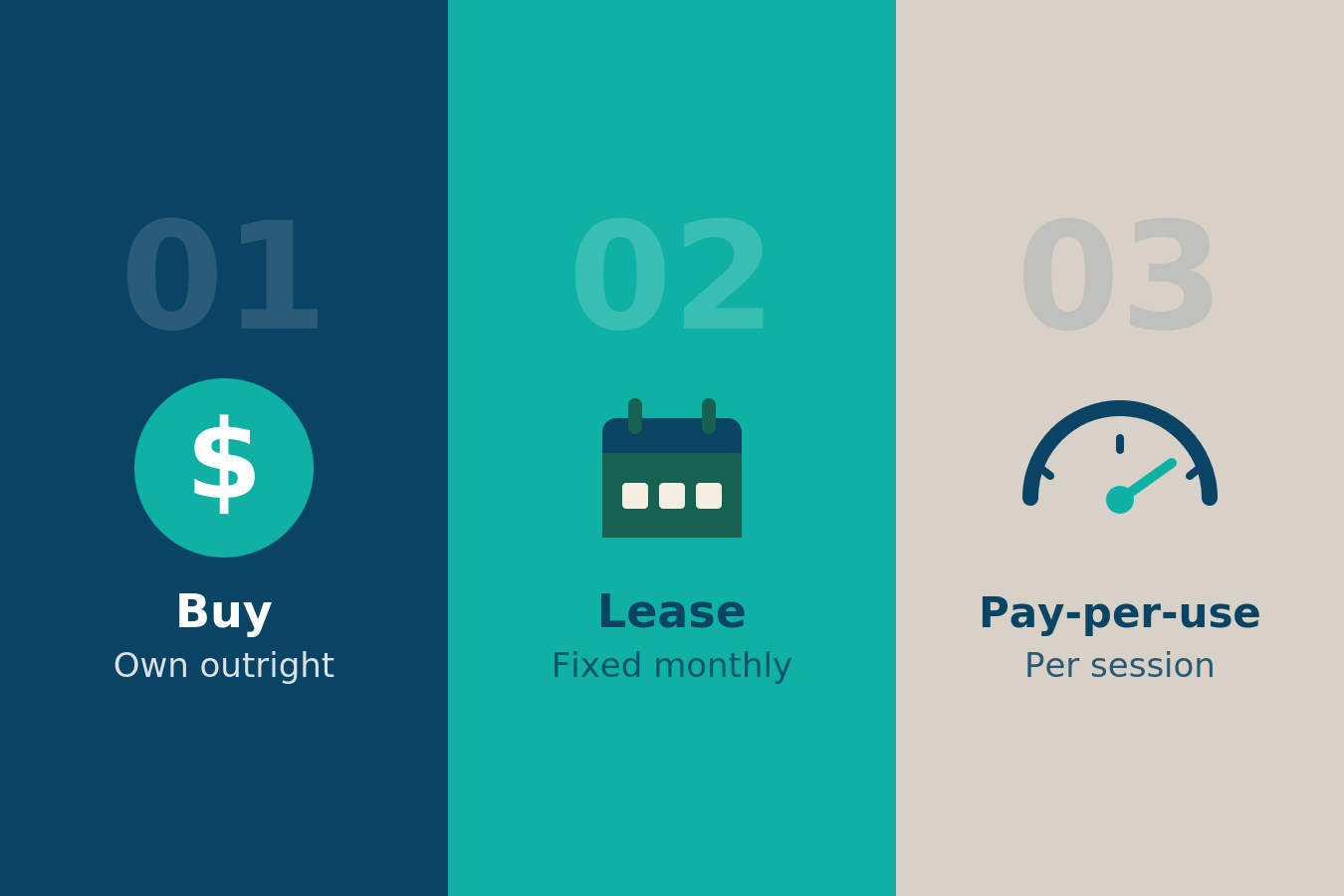
TMS Business Models Compared: Lease vs. Buy vs. Pay-Per-Use

Staffing and Training a TMS Program: Roles, Timelines, and Avoiding the Staffing Gap